ASHDOWN ENGINEERING Studio Bass Amplifier 742521116470 210
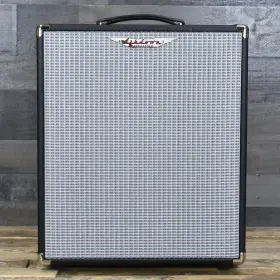
( Brand: Ashdown Engineering ), ( Part Type: Amplifier ), ( Amplifier Type: Combo ), ( Product Line: Studio ), ( Amplifier Technology: Solid State ), ( UPC: 742521116470 )
Review ASHDOWN ENGINEERING Studio 210 Bass Combo Amplifier
The Ashdown Engineering 742521116470 Studio 210 is a versatile and powerful bass amplifier head that is ideal for both live performances and studio recording sessions. This amplifier head is part of Ashdown's Studio Series, which is known for delivering high-quality sound and exceptional value.
The Studio 210 is equipped with a Class D power amplifier that delivers a impressive 210 watts RMS of power. This ample power ensures that the amplifier can handle even the most demanding bass lines with ease, providing a rich and full-bodied sound. The amplifier head also features an Active Equalizer section with a 3-band EQ, which allows bassists to fine-tune their sound to perfection. The Mid and High controls offer a wide range of /- 15dB, while the Low control goes as deep as /- 20dB.
One of the standout features of the Ashdown Engineering Studio 210 is its versatility. It comes with a selection of input channels, including a DI XLR output, a Line Input, and an MP3 Input with a built-in stereo speaker emulator. This allows bassists to connect multiple instruments or devices to the amplifier and switch between them seamlessly.
The amplifier head also features Ashdown's proprietary Intelligent Tone Circuit (ITC), which optimizes the sound and response of the amplifier based on the input source. This ensures that the sound remains consistent, regardless of whether you're playing through a cabinet or using headphones.
The Ashdown Engineering 742521116470 Studio 210 is housed in a rugged, all-steel chassis that is both durable and lightweight. It also comes with a robust and flexible Speakon compatible speaker output, which can be used to connect multiple cabinets for even more power and depth.
In summary, the Ashdown Engineering 742521116470 Studio 210 is a powerful and versatile bass amplifier head that offers a rich and full-bodied sound. Its wide range of features, including a 3-band EQ, multiple input channels, and Ashdown's proprietary Intelligent Tone Circuit, make it an excellent choice for both live performances and studio recording sessions. The all-steel chassis and Speakon compatible speaker output ensure that it is both durable and flexible, making it a worthy investment for any serious bassist.
A Detailed Analysis of the Ashdown Engineering Studio 210 Bass Amplifier
Introduction:The Ashdown Engineering Studio 210 is a popular choice among bassists due to its powerful sound and versatile features. In this analysis, we will explore both the pros and cons of this bass amplifier to help you make an informed decision.
Pros:1. Powerful Sound: The Studio 210 delivers a clean and powerful sound with a rated power output of 210 watts.
2. Versatile EQ: It comes with a 3-band EQ, allowing for precise control over the bass, mid, and treble frequencies.
3. Multiple Inputs: The amplifier offers multiple inputs, including an XLR input for use with microphones and a DI output for direct connection to a mixing console or recording interface.
4. Built-in Compressor: The built-in compressor can help even out the dynamic range of your playing and add sustain to your notes.
5. Durable Construction: The amplifier features a rugged construction with a plywood cabinet and heavy-duty steel grille, making it suitable for use in live performances.
Cons:1. Size and Weight: The Studio 210 is a relatively large and heavy amplifier, weighing in at approximately 23.8 kg (52.5 lbs).
2. Limited Connectivity: While the amplifier offers multiple inputs, it does not have built-in effects or the ability to connect to external effects processors.
3. No Headphone Output: The Studio 210 does not have a headphone output, making it less suitable for practicing quietly at home.
Conclusion:The Ashdown Engineering Studio 210 bass amplifier offers a powerful and versatile sound, making it an excellent choice for bassists seeking a high-quality amplifier for both live performances and recording sessions. Despite its size and weight, the amplifier's durable construction ensures that it can withstand the rigors of regular use. However, its lack of built-in effects, limited connectivity, and absence of a headphone output may be drawbacks for some users.
Recommendation:If you are a professional bassist seeking a high-powered amplifier for live performances and recording sessions, the Ashdown Engineering Studio 210 is an excellent choice. However, if you require more connectivity options, built-in effects, or the ability to practice quietly at home, you may want to consider alternative amplifiers with these features. Ultimately, the decision comes down to your personal preferences and requirements as a bassist.
Details:
The Studio 210 pushes out a full 300 watts of power giving it plenty headroom for rehearsals, recording sessions, and live gigs. Loaded with a pair of 10 inch Neo speakers and an HF unit, the Studio 210 delivers tight punchy lows, clear Midas, just enough sparkle on top to keep every note articulate. The result is an that easy to carry but sounds far bigger than it looks.
This bass amplifier ships fully insured with signature required. The drive section is foot switchable so players can move from clean tones to growling overdrive during a performance without touching the front panel. It is compact, surprisingly lightweight, and incredibly responsive while still providing the full, warm, unmistakable Ashdown bass tone that players have relied on for years. It feels lively under the fingers and responds beautifully to playing dynamics whether you are digging in or laying back.
This delivers exactly that. Big Sound from a Compact 300 Watt Platform: Do not let the size fool you. The cabinet itself is constructed from lightweight poplar ply which helps keep the overall weight down while still maintaining strength and resonance. A balanced XLR DI output allows for easy connection to a mixing console or recording interface while the FX loop makes integrating pedals simple.
There is also a pre shape control that instantly shifts the tonal character and valve emulated drive circuit adds warmth, grit, harmonic richness. It has the warmth and authority that bass players love combined with clarity needed for modern styles. A headphone output makes silent practice easy when needed and the line input allows for playing along with backing tracks or music.
Players want great tone, real power, and something that doesn't feel like moving a refrigerator every time theres rehearsal or gig. Whether it is used for practice, recording, rehearsals, or live performance, delivers dependable tone and plenty of power in a format that easy to with.
specifications guitoamps:
- brand: Ashdown Engineering
- part type: Amplifier
- amplifier type: Combo
- product line: Studio
- amplifier technology: Solid State
- upc: 742521116470
returns guitoamps:
- policy: No Returns
general guitoamps:
- condition: New
- Musical Instruments Gear > Guitars Basses > Guitar Amplifiers
seller guitoamps:
- city: Beaverton, Oregon
- rating: 99.3%
- # reviews: 244
shipping guitoamps:
- type: Fixed
- transit: 5-12 Days
- service: Standard with Adult Signature required
- cost: $60.00
- class: Standard
offer guitoamps:
- started: March 7, 2026
- availability: In Stock
- sold: 0
- quantity: 1
- options: Ship-to-home
payments guitoamps:
- credit card: Visa
- wallet: Google-pay
- other
Ashdown Engineering 742521116470 Is Similar To:
- Ashdown 745125098487 Tone Pocket Bass Headphone Amplifier White (51.2% similar) Bought it but never used. This high-quality amplifier is designed for bass guitars, offering excellent sound quality and versatile features. The tone pocket also includes a built-in tuner, making it easy to stay in tune during your performance. Featuring a variety of controls including bass...(May 23rd, 2024)
- Ashdown Studio8-u Bass Amp Studio 8 Used Mint Pickup North Sf Bay Area Santa Rosa (33.1% similar) I bought it new. Constructed using super lightweight poplar ply. Heavy-duty Rolex and chrome metal corners. Power output: 30 watts RMS. Its a 30-WATT Ashdown Engineering studio 8 and is excellent. Headphone output. Speaker mute switch. Line mix control. Controls: 3-BAND eq bass...(May 27th, 2024)
- Ashdown Engineering C410t-300 Mag Bass Amp P23007537 (55.2% similar) It may or not include the original box. Ashdown Engineering mag C410T-300 bass amp. Notes: 100 watt bass Ashdown Engineering model: mag C410T-300 in good condition. Bass guitar amp: Ashdown Engineering model mag C410T-300 amp, 100W...(June 6th, 2024)
- Ashdown Electricblue12-180-0624-u Electric Blue 12-180 Bass Combo Amplifier 180 Watts 1x12 Inch (45.3% similar) The cabinet is finished in a tough, scuff-proof carpet covering with protective corners and kick-proof metal grille. The ebb 12-180 1 x 12 in. Super fast same day shipping. Ashdown electric blue bass amplification loads legendary tone into an affordable new head and a pair of high-performance...(June 27th, 2024)
- Ashdown Abm-410t Abm 410t 4 X 10 600-watt Bass Cabinet (35.6% similar) With 600 watts and 10 Ashdown blue line speakers, this cabinet is perfect for any bass player looking to elevate their sound. The cabinet is designed with tbs channels and power, allowing for a experience. This guitar amplifier is perfect for those in the market a high-quality...(July 5th, 2024)
- Ashdown 197881168087 Abm-115h Evo Iv 300w 1x15 Bass Speaker Cabinet Ob (38.8% similar) Be in brand-new condition, showing no signs of wear or use such as belt-buckle pick scratches, scuffs, dings, scrapes on the instrument collateral materials. Featuring tough construction and reliable components ABM cabinets will take whatever is thrown at them night after. The ABM-115H houses a...(August 30th, 2024)
- Ashdown 663839002579 Labs Superfly 2x500 Programmable Bass Amp (41.3% similar) W/ box, power supply photocopied manual. A product of the innovative Ashdown labs development programmer, superbly is ted with a powerful, authoritative sound strong, controlled bottom end and clear, precise highs, all courtesy an advanced digital power section. Ashdown Engineering's superbly...(September 7th, 2024)
- Ashdown 714270966637 Ctm 30 Little Stubby 30w All Tube Bass Head (40.6% similar) The trade off is that traditionally valve amps are big, heavy and cumbersome. An evolutionary step forwards from the classic lb 30/CTN 30 little stubby pushes rules of valve amplification design to limits in a never before seen highly compact package that breaks away traditionally unwieldy...(September 20th, 2024)
- Ashdown Interstela-600 Guy Pratt Interstellar-600 Signature Bass Head (36.1% similar) Very clean sound and plenty of power, perfect as a pedal platform for your bass...(October 1st, 2024)
- Ashdown Rm-414t-evo Super Lightweight 600w 4 X 10 Inch Bass Cab Tested And Working (37% similar) Tested working. Excellent, super lightweight amp...(October 10th, 2024)
- Ashdown Abm410h 4x10 Bass Guitar Speaker Cabinet Tweeter Not Working 600 Watts (31.9% similar) All 4/1 0 speakers are functioning fine. No other accessories included. Listing is for 1 ABM410H cabinet with broken tweeter only, as pictured. See photos for a good idea of the overall condition. If you do want the case as well, please see our listing for it. Used cab in good condition...(November 2nd, 2024)
